March 13, 2026
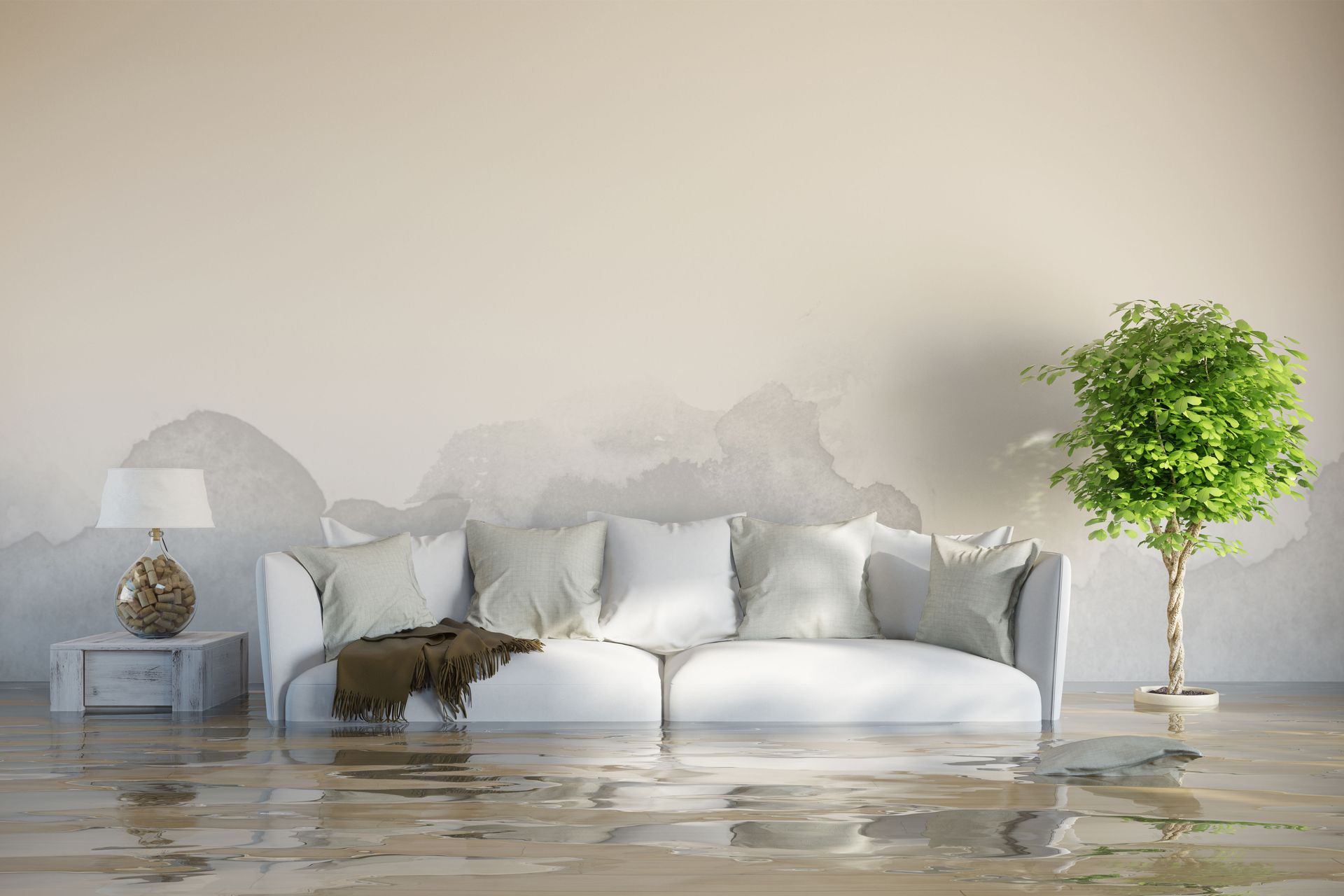
Water can be one of the most destructive forces inside a home, often striking without warning and leaving homeowners with costly repairs, structural deterioration, and long-term moisture issues. What begins as a slow drip can escalate into major damage if early signs go unnoticed or maintenance is neglected. Many homeowners underestimate the speed at which water spreads, as well as the lingering risks of mold growth, saturation, and weakened building materials. According to This Old House, hidden leaks can cause an average household to lose nearly 10,000 gallons of water a year. That statistic alone shows how essential it is to stay ahead of emerging problems before they spiral into full-scale disasters. By understanding where water comes from, how it behaves, and the steps necessary to safeguard your property, you can significantly reduce the likelihood of unexpected emergencies.
Water intrusion can stem from plumbing failures, appliance malfunctions, deteriorating roofing, foundation cracks, or natural flooding. Regardless of the source, a homeowner’s best defense is proactive prevention combined with timely support from professionals who specialize in water damage services. This guide outlines how to protect your home from leaks and floods, the warning signs to watch for, and the essential strategies that keep your home dry, stable, and safe year-round.
Recognizing Warning Signs That Point to Moisture Problems
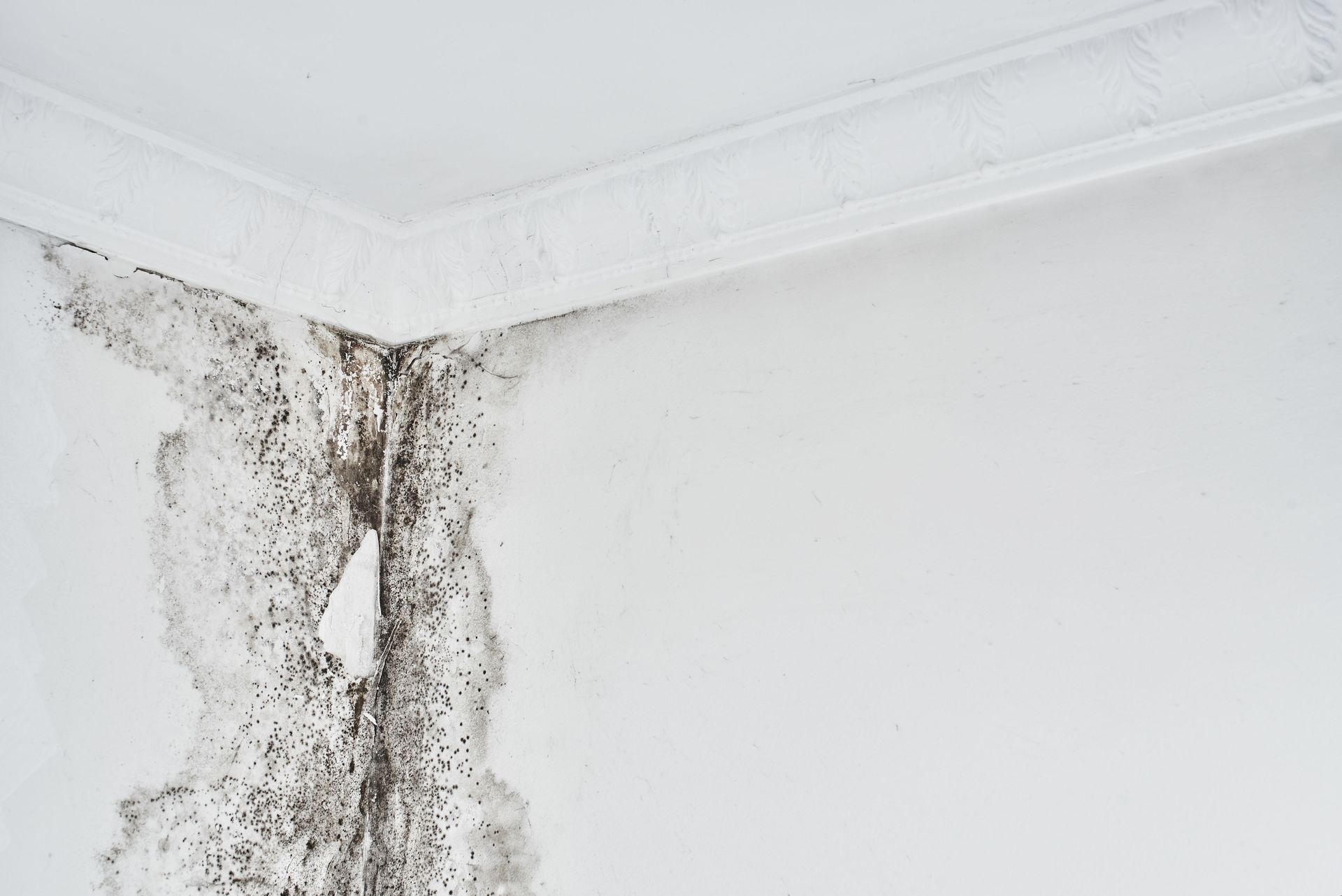
Many water-related issues start small, making them easy to ignore in the early stages. Homeowners often miss subtle changes in the environment that indicate water is present where it shouldn’t be. Musty odors, for example, typically suggest moisture trapped behind walls, beneath floors, or inside HVAC ducts. Stains on ceilings or drywall can point to slow plumbing leaks that may have been happening for weeks or months. Even minor changes in flooring, such as buckling or soft spots, can signal that water has been steadily weakening structural layers.
One of the most reliable ways to detect hidden issues is to monitor your monthly water bill. A sudden and unexplained increase often indicates a leak somewhere within the system. When these signs appear, responding quickly is essential. Homeowners who seek professional help early benefit from fast assessments, targeted repairs, and recommendations from experts who handle water damage services on a daily basis. Swift intervention not only stops the immediate problem but also reduces the likelihood of mold growth and further structural decline.
Strengthening Your Home’s Interior Systems to Prevent Damage
Inside the home, plumbing and appliances are among the most common causes of unwanted water intrusion. Worn-out hoses, loose fittings, clogged drain lines, and aged water heaters can all lead to significant leakage if they fail unexpectedly. Regular inspections of washing machines, dishwashers, and refrigerator water lines allow you to identify brittle components before they crack or burst. Water heaters should also be evaluated annually to check for corrosion, sediment buildup, or signs of tank fatigue.
Bathrooms and kitchens require special attention due to their constant water use. Keeping caulk and grout in good condition helps prevent moisture from seeping into walls and subflooring. Ensuring proper ventilation is equally important because humidity can contribute to mold growth in areas already prone to dampness. When homeowners take these preventive steps and remain aware of how their interior systems age over time, they can greatly reduce the risk of extensive repairs that may require water damage services later.
Protecting the Home Exterior to Minimize Water Intrusion
Your home’s exterior acts as its first line of defense against the elements, so maintaining it is crucial in preventing leaks and flood damage. Roofs, gutters, and siding must work together to guide water away from vulnerable areas. Missing shingles or deteriorated flashing can allow rainwater to penetrate the roof structure, gradually weakening wood and insulation. Gutters that are clogged or misaligned can overflow, creating pools of water around the foundation. Over time, this pooling can lead to cracks, bowing, or basement seepage.
Windows and doors also play a major role in exterior protection. Old seals or warped frames allow moisture to enter the home during storms or heavy rainfall. Even small gaps can introduce enough water to stain drywall or cause swelling in trim and flooring. Routine exterior inspections provide the opportunity to correct these issues early, ensuring that rainwater drains properly and does not find pathways into your home. Homeowners who reinforce these exterior systems often reduce the likelihood of needing emergency water damage services after storms or seasonal weather changes.
Improving Drainage and Grading to Prevent Standing Water
Even when the home’s structure is in excellent condition, poor drainage can undermine your protection. When rainwater or melting snow collects around the perimeter of the property, it places constant pressure on the foundation. This pressure can lead to seepage or cracks that allow moisture to travel into basements or crawl spaces. Proper grading ensures that soil slopes away from the home, encouraging water to flow toward designated drainage areas.
Downspout extensions are another simple yet effective upgrade. Without them, water exiting gutters drops too close to the foundation and quickly begins to saturate the surrounding soil. Installing French drains or gravel trenches may also be helpful for homes located in areas prone to heavy rainfall or slow-draining soil. These improvements reduce the burden on your property’s natural drainage systems and make it less vulnerable to situations that might require water damage services during intense weather events.
Responding Quickly When Leaks or Floods Occur
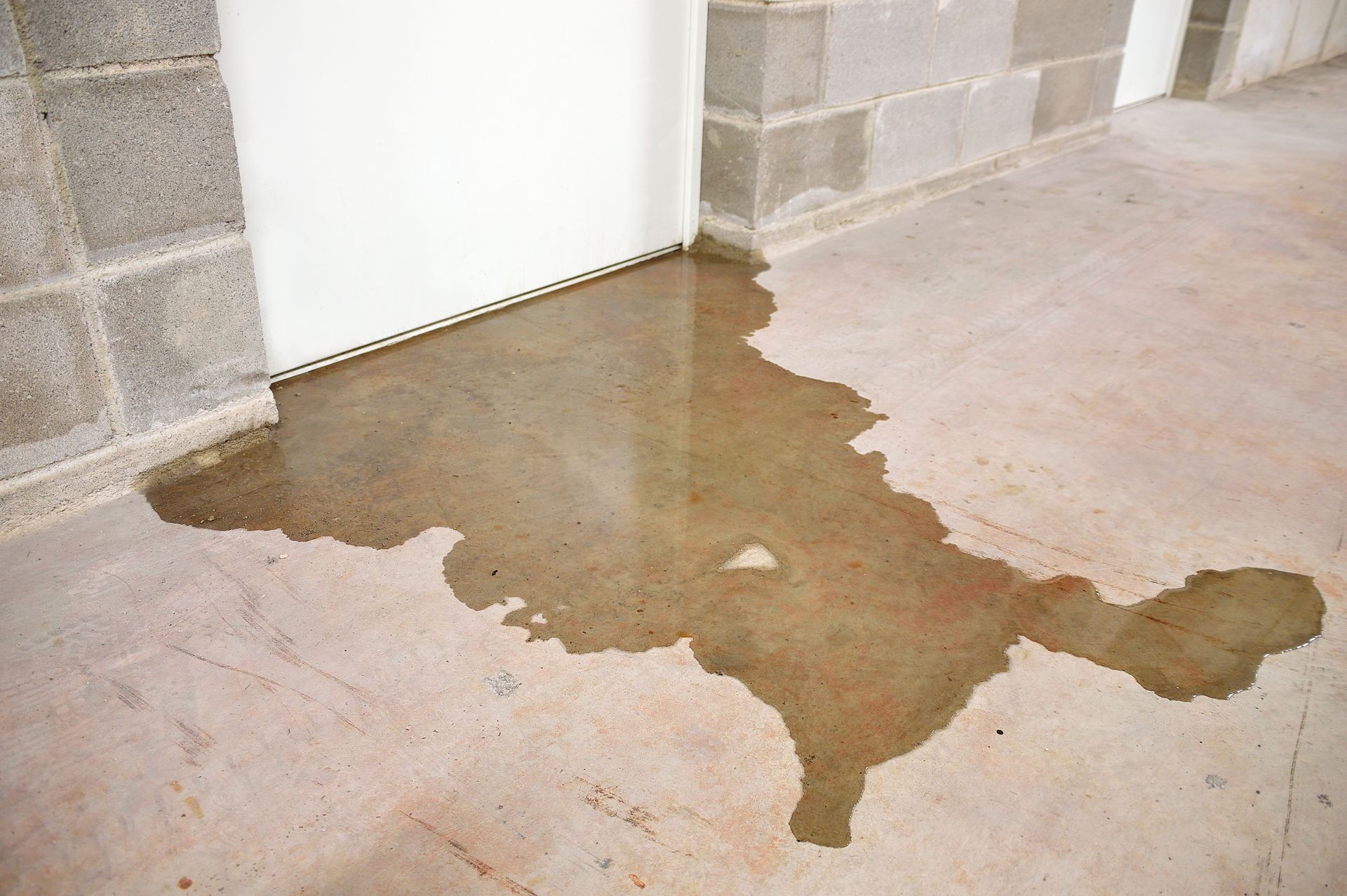
Even well-maintained homes can experience unexpected water emergencies. Pipes burst, storms overwhelm drainage systems, and mechanical failures occur without warning. When water enters the home, the most important action is rapid response. Shutting off the main water supply stops additional flow, while safely removing standing water can limit immediate damage. However, many homeowners underestimate the scale of moisture that seeps into drywall, carpet padding, insulation, and structural layers.
Professional assistance becomes essential when water spreads beyond the surface, as these materials retain moisture long after visible puddles disappear. Specialists who provide water damage services use advanced extraction and drying equipment to eliminate moisture trapped deep within the building. This is critical for preventing long-term problems like rot, odors, and mold growth. Acting quickly not only minimizes damage but also speeds up the restoration process, helping homeowners return to normal more quickly.
Maintaining Long-Term Moisture Control for Ongoing Protection
Water damage prevention is not a one-time effort. It requires ongoing attention, routine inspections, and seasonal maintenance. Checking plumbing connections, testing sump pumps, assessing roof conditions, and monitoring moisture levels in basements should all become part of your annual schedule. Dehumidifiers can be particularly effective in damp areas, helping maintain healthy indoor air quality and discouraging mold.
Smart home technology provides additional safeguards. Water sensors can alert homeowners to leaks beneath sinks, behind appliances, or near water heaters before they cause noticeable damage. Automatic shut-off valves offer another layer of protection by stopping water flow when leaks are detected. These modern solutions complement traditional maintenance practices and reduce the likelihood that you will require extensive water damage services in the future.
Water is an unavoidable part of homeownership, but the damage it causes does not have to be. When homeowners understand early warning signs, maintain essential systems, reinforce exterior protections, and respond quickly during emergencies, they reduce the likelihood of costly repairs and structural complications. The key is consistent prevention supported by expert guidance where needed. You can significantly reduce the risks associated with moisture by combining proactive maintenance with professional insight, ensuring your home remains strong, dry, and secure throughout the seasons. When problems do arise, timely action from specialists helps restore stability and prevent further deterioration. For fast, reliable support in protecting your property, contact ServiceMaster by American Restoration Services.