February 10, 2026
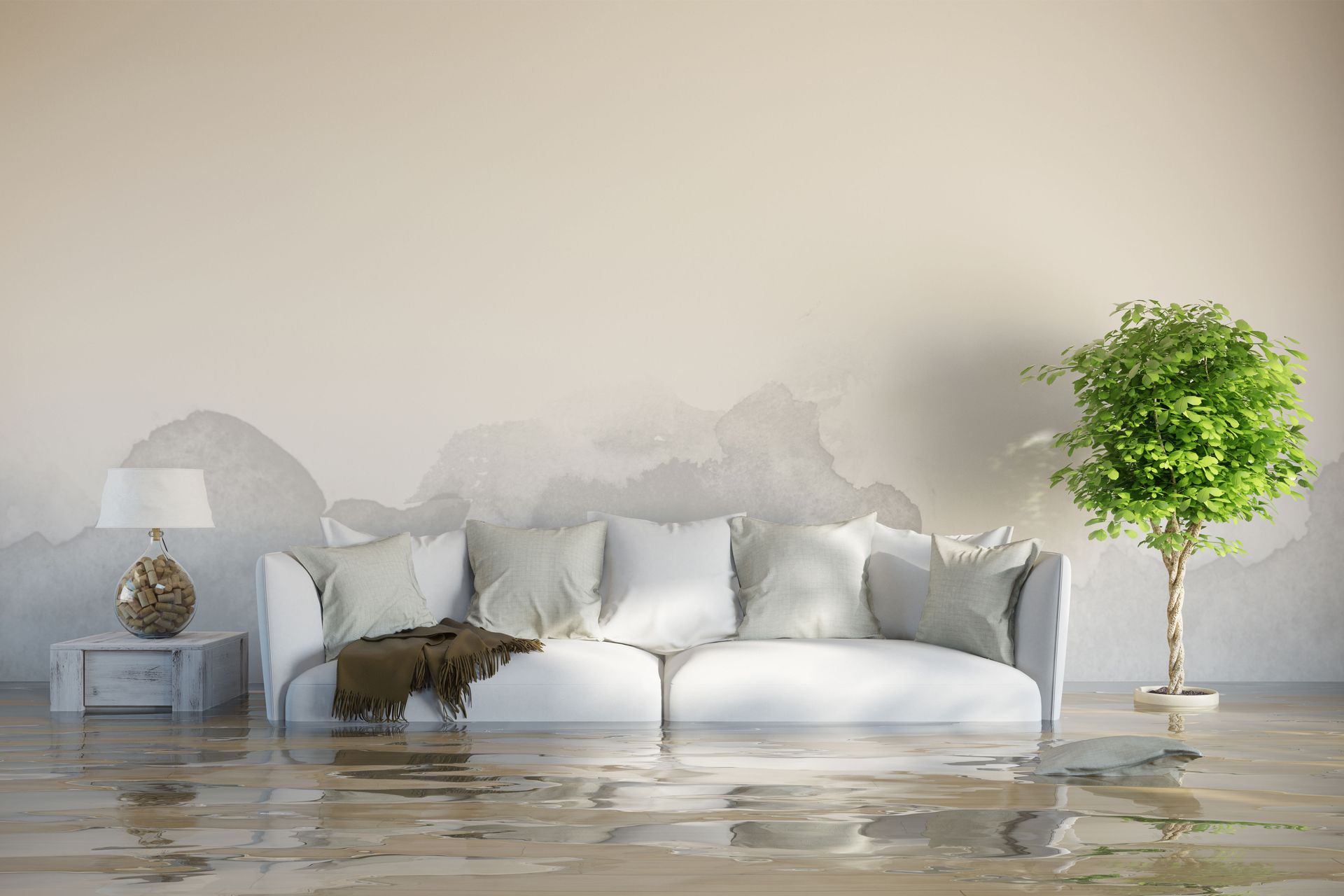
Understanding and identifying early signs of water damage is crucial for homeowners seeking to protect their property and avoid costly repairs. This guide provides detailed insights into the various indicators of water damage and preventive measures homeowners can take to maintain the structural integrity of their homes. Water damage can have many insidious effects, often manifesting in subtle ways that may be easily overlooked by untrained eyes. According to This Old House, one in every 67 insured homeowners filed a claim due to water damage or freezing each year, underscoring how common and financially disruptive these issues can be. Proactive measures can prevent minor water issues from becoming major problems, ultimately saving homeowners substantial amounts of money. Awareness and early intervention are key components in any effective water damage prevention strategy, especially when supported by experienced local water damage services.
Common Sources of Residential Water Damage
Water damage can originate from multiple areas of a home, often developing slowly before becoming a noticeable issue. Identifying the most common sources allows homeowners to prioritize inspections and maintenance efforts. By understanding where water damage is most likely to occur, homeowners can take informed steps to reduce risk and protect their investment.
Plumbing systems are among the most frequent contributors to water damage. Leaking pipes, worn seals, and aging fixtures can release moisture over extended periods, saturating walls and flooring. Even small leaks can cause serious structural issues if ignored, which is why routine plumbing inspections are essential.
Roof-related problems also play a significant role in water intrusion. Missing shingles, damaged flashing, and clogged gutters allow water to enter the home during storms. Regular roof maintenance and timely repairs reduce the likelihood of leaks that compromise ceilings and insulation.
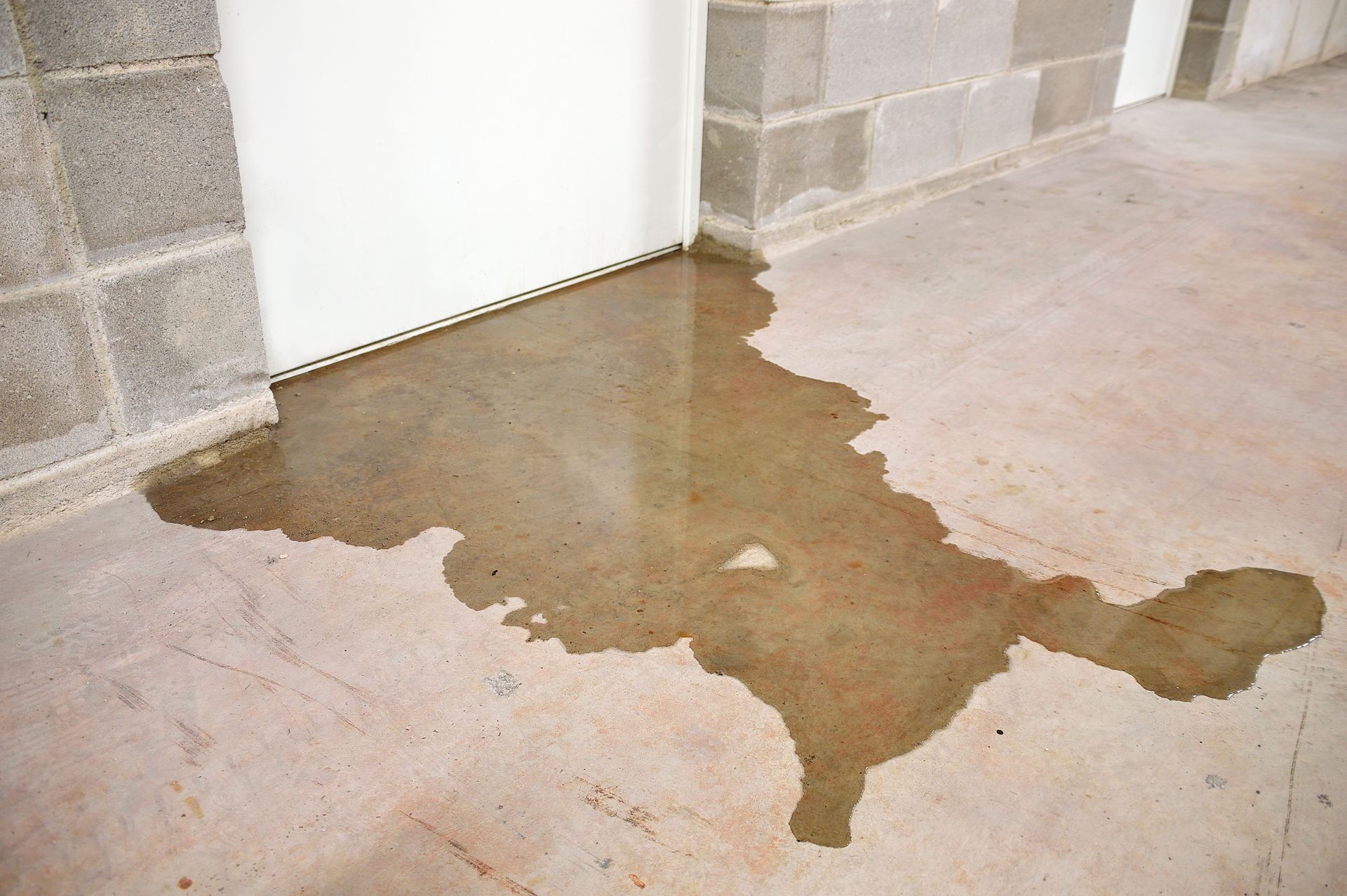
Basements and foundations are particularly vulnerable due to constant exposure to groundwater. Cracks, poor drainage, and inadequate waterproofing can allow moisture to seep in, leading to mold growth and weakened structural components. Proper grading and drainage solutions help keep these areas dry.
Household appliances such as washing machines, dishwashers, and water heaters can malfunction without warning. Failed hoses or internal components may release large amounts of water quickly, making routine appliance maintenance a key preventive step often emphasized by local water damage services.
Interior Warning Signs Homeowners Should Not Ignore
Interior signs of water damage are often the first indicators that something is wrong. Paying close attention to visual and sensory changes inside the home can help homeowners catch issues before they escalate.
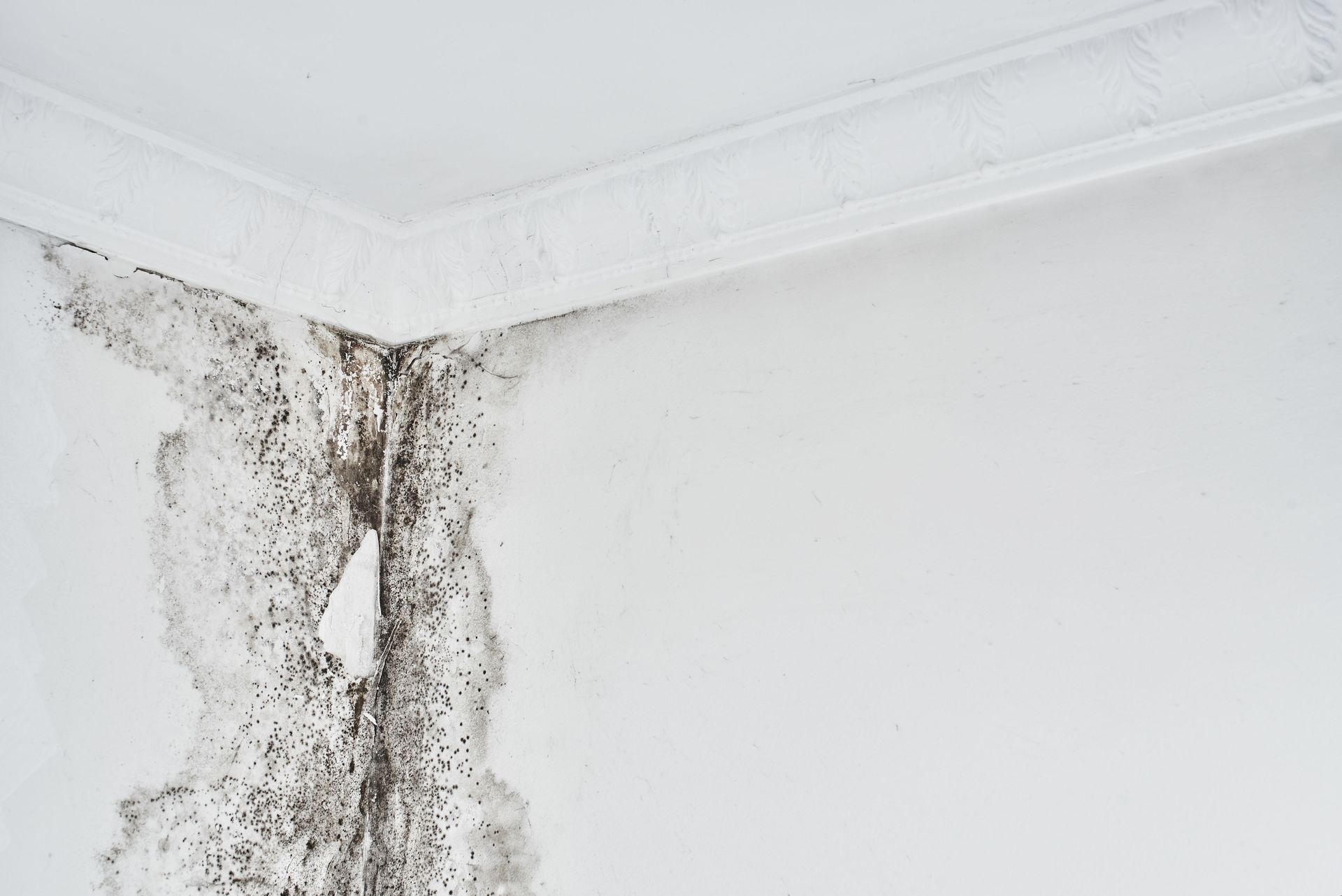
Staining and discoloration on walls or ceilings commonly appear as yellow or brown marks. These stains may be far from the actual source of the leak, as water can travel along framing and drywall. Prompt investigation is necessary to prevent further deterioration.
Peeling paint or bubbling wallpaper is another clear sign of trapped moisture. When water infiltrates behind finished surfaces, it weakens adhesives and causes visible separation. Addressing the underlying moisture issue before refinishing is critical for lasting repairs.
Warped or buckled flooring often indicates prolonged exposure to moisture. Wood and laminate materials absorb water easily, leading to expansion and distortion. Swift drying and repairs can limit damage and reduce replacement costs.
Musty odors frequently signal hidden moisture or mold growth. These smells are especially common in poorly ventilated areas such as basements or bathrooms. Eliminating the moisture source and improving airflow are essential steps in restoring indoor air quality.
Visible mold growth is a serious warning sign that should never be ignored. Mold thrives in damp environments and can spread rapidly if conditions persist. Addressing both the mold and the underlying water issue is vital for protecting health and property.
Exterior Clues That Point to Water Problems
The exterior of a home often provides early clues about potential water damage. Regularly inspecting outdoor surfaces and drainage systems helps homeowners detect problems before they affect interior spaces.
Cracks in exterior walls or foundations may allow water to penetrate the structure. Over time, moisture can widen these cracks and compromise stability. Sealing and repairing cracks promptly helps maintain structural integrity.
Deteriorating or missing roof shingles reduce the home’s ability to shed water effectively. Routine inspections after severe weather help identify vulnerabilities and prevent leaks from forming.
Gutter and downspout issues are another common cause of exterior water damage. Clogged or misaligned gutters can overflow and direct water toward the foundation. Regular cleaning and proper downspout placement ensure water is carried safely away from the home.
Damaged siding and trim can also allow water intrusion. Maintaining these exterior barriers through sealing and repainting helps prevent moisture from reaching underlying materials.
Pooling water around the base of the home indicates poor drainage and increases the risk of foundation seepage. Correcting grading issues and installing drainage solutions can significantly reduce this risk.
Detection Tools and Preventive Techniques
Modern tools and preventive techniques make it easier than ever to detect water issues early. Incorporating these methods into regular home maintenance routines can prevent extensive damage.
Moisture meters allow homeowners to measure moisture levels within walls, floors, and ceilings. These devices help identify hidden dampness before visible damage appears.
Infrared cameras detect temperature differences that signal the presence of moisture behind surfaces. This non-invasive technology is often used by inspectors and local water damage services to locate concealed leaks.
Water leak detectors placed near high-risk areas provide immediate alerts when moisture is detected. Early warnings enable homeowners to respond quickly and minimize damage.
Creating a regular inspection checklist encourages consistent monitoring of plumbing, roofing, basements, and appliances. This systematic approach reduces the likelihood of overlooking early warning signs.
Maintenance Strategies That Reduce Long-Term Risk
Preventive maintenance is one of the most effective ways to avoid water damage altogether. Consistent upkeep helps homeowners stay ahead of potential issues.
Routine plumbing maintenance, including checking for leaks and corrosion, keeps water systems functioning properly. Professional inspections can identify weaknesses before they become emergencies.
Roof and gutter upkeep plays a critical role in keeping water out of the home. Seasonal inspections and debris removal help maintain effective drainage.
Basement waterproofing solutions such as drainage systems and protective coatings reduce the risk of seepage and mold growth. These measures are particularly valuable in areas prone to heavy rainfall.
Proper ventilation helps control indoor humidity and prevents condensation-related moisture problems. Exhaust fans, dehumidifiers, and adequate airflow all contribute to moisture control.
Smart home technology, including automated shutoff valves and monitoring systems, adds an extra layer of protection. These tools are increasingly recommended by local water damage services for proactive homeowners.
Responding Effectively to Early Water Damage
When early signs of water damage appear, swift and informed action is essential. Timely response limits damage and reduces repair costs.
Immediate cleanup involves drying affected areas, removing wet materials, and increasing airflow. Quick action helps prevent mold growth and secondary damage.
Professional remediation may be necessary when damage is extensive or poses health risks. Experienced technicians have the equipment and expertise to address both visible and hidden moisture issues, a role commonly filled by trusted local water damage services.
Understanding the insurance claims process is also important. Documenting damage thoroughly and communicating promptly with insurers can streamline recovery efforts.
Long-term repair solutions should address underlying causes, not just surface damage. Reinforcing structures and improving waterproofing reduces the likelihood of recurrence.
Ongoing monitoring after repairs ensures that solutions remain effective. Regular inspections and continued vigilance help homeowners maintain a dry and secure living environment.
Recognizing and addressing early signs of water damage empowers homeowners to protect their properties and avoid unnecessary expenses. By understanding common sources, monitoring interior and exterior indicators, and investing in preventive maintenance, water-related risks can be significantly reduced. Combining homeowner awareness with professional support from local water damage services provides a comprehensive approach to protecting both property value and peace of mind. Contact our team at ServiceMaster by American Restoration Services today and learn more about our water damage services.